Key Takeaways
- Emergency tree removal covered by insurance depends on what the tree hit and why it fell
- Trees that damage your house, garage, or fence are typically covered claims
- A tree that falls in the yard without damage is usually not covered
- Most policies cap debris removal, commonly between $500 and $1,000 per tree
- Rotten or neglected trees may be denied as a maintenance issue
- Document everything with photos before any tree is cut or moved
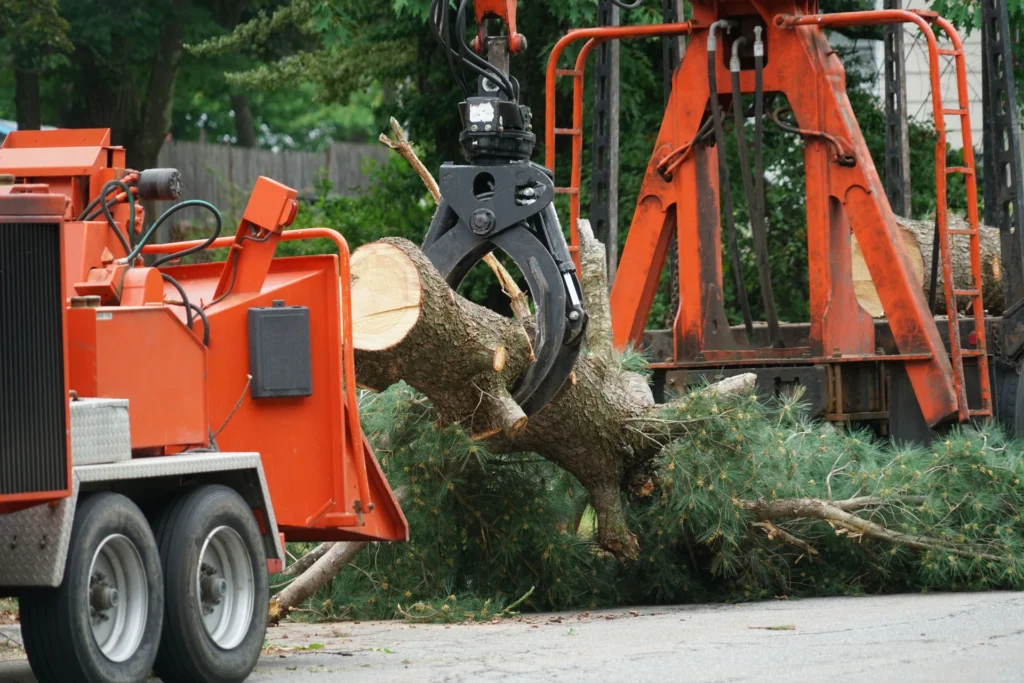
A tree just came down on your property and you need answers fast. The biggest question most homeowners have in that moment is simple: is emergency tree removal covered by insurance, or is this bill coming out of your pocket?
The honest answer is that it depends on two things: what the tree hit and why it fell. This guide walks you through exactly when your homeowners policy pays, when it does not, how much coverage you can expect, and the step-by-step process for handling a fallen tree the right way. If you are dealing with storm damage tree removal in Doylestown, PA or anywhere in Bucks County, the same insurance principles apply, and knowing them before you call your insurer can save you both money and frustration.
When Homeowners Insurance Covers Emergency Tree Removal
Insurance coverage for tree removal follows one core rule: the tree must fall because of a covered peril and cause damage to covered property.
Covered Perils That Trigger Coverage
Standard homeowners policies (typically the HO-3 form) cover trees that fall due to:
- Windstorms and severe thunderstorms
- Lightning strikes
- Hail
- The weight of ice, snow, or sleet
- Fire
- Vandalism
According to the Insurance Information Institute’s tree coverage guidelines, if a tree falls on your house, garage, deck, or fence during a windstorm, your policy generally pays to remove the tree from the structure and repair the damage, minus your deductible.
What Counts as Covered Property
Coverage usually applies when the tree lands on:
- Your home or attached structures
- Detached structures like garages, sheds, and fences
- A driveway entrance, if the fallen tree blocks access (some policies)
If you ever face a tree-on-house removal in Bucks County, this is the scenario insurers are built for. The removal from the structure, the structural repairs, and often temporary tarping are all part of the claim.
When the Neighbor’s Tree Falls on Your Property
If your neighbor’s tree falls on your house, your own policy handles the claim. Your insurer may then pursue the neighbor’s insurance company if the tree was visibly dead or neglected, a process called subrogation. If they recover money, you may even get your deductible back.
When Emergency Tree Removal Is NOT Covered
This is where many homeowners get an unpleasant surprise. Common exclusions include:
- The tree fell but hit nothing. A tree that lands in the middle of your lawn without touching a structure is generally not covered, no matter how large or expensive it is to remove.
- The tree was dead, diseased, or neglected. Insurers can deny claims when the tree was a known hazard. This is treated as a maintenance failure, not a sudden accident. Following USDA Forest Service guidelines on identifying hazardous trees can help you spot risks early, as hazardous tree assessment and removal in Doylestown, PA and elsewhere is considered the homeowner’s responsibility to handle before the tree fails.
- Flood or earthquake caused the fall. Standard policies exclude these perils. Flood-related tree damage requires separate flood insurance via FEMA’s National Flood Insurance Program.
- Preventive removal. Insurance never pays to remove a standing tree, even one leaning ominously over your roof. Prevention is on you, though it is far cheaper than the damage a falling tree can cause.
Covered vs. Not Covered: Quick Comparison
| Scenario | Typically Covered? | Notes |
|---|---|---|
| Tree falls on house during windstorm | Yes | Removal + repairs, minus deductible |
| Tree falls on detached garage or fence | Yes | Usually under other structures coverage |
| Tree falls in yard, hits nothing | No | Homeowner pays out of pocket |
| Neighbor’s healthy tree falls on your home | Yes | Your policy pays; insurer may subrogate |
| Dead/rotten tree you ignored falls on house | Often denied | Considered negligence or lack of maintenance |
| Tree blocks driveway after storm | Sometimes | Depends on policy language |
| Standing tree leaning toward home | No | Preventive removal is never covered |
| Tree falls due to flooding | No | Requires separate flood insurance |
How Much Will Insurance Pay for Tree Removal?
Even when a claim is approved, payouts have limits. Most standard policies cap debris removal at a set amount, commonly $500 to $1,000 per tree, with an overall cap per storm event, according to the Insurance Information Institute. Structural repairs are paid separately under your dwelling coverage.
Emergency tree removal costs in Doylestown and similar markets vary widely based on tree size, location, equipment access, and urgency. Same-day emergency tree removal after a storm, crane-assisted tree removal, or a tree tangled in power lines all push costs higher. If removal costs exceed your policy’s debris limit, the difference is yours to pay, which is why it pays to understand your limits before storm season.
Two conditional rules of thumb:
- If the tree is on a structure, call your insurer first, then an emergency tree cutting service, because both the removal and repairs run through the claim.
- If the tree is only in the yard, skip the claim and call a tree removal company directly, since filing a claim that will be denied can still show up in your claims history.
What to Do When a Tree Falls: Step-by-Step
- Make sure everyone is safe. Evacuate if the structure is compromised. Stay far away from any tree touching power lines and call the utility company immediately.
- Document the scene. Take wide and close-up photos and video of the tree, the damage, and the point of failure before anything is moved.
- Prevent further damage. Your policy requires reasonable steps to protect the property, such as tarping a roof opening. Keep receipts, as these costs are usually reimbursable.
- Call your insurance company. Report the claim, confirm your debris removal limits, and ask whether they require an adjuster visit before removal.
- Hire a professional. Choose a licensed emergency tree removal team and get the invoice itemized: removal from structure, debris hauling, and any additional work listed separately for the adjuster.
- Save every document. Photos, invoices, correspondence, and the adjuster’s report all support your claim if the payout is disputed.
Pros and Cons of Filing an Insurance Claim for Tree Removal
Pros
- Removal from structures plus repairs can be worth thousands
- Temporary protection costs (tarping, board-up) are typically reimbursed
- Your insurer may recover your deductible if a neighbor was negligent
- Adjusters coordinate large losses so you are not managing everything alone
Cons
- Your deductible may exceed the cost of a small removal job
- Claims stay on your record and can affect future premiums
- Debris removal caps often fall short of real-world removal costs
- Denied claims (yard-only falls, neglected trees) still count as claim activity
Do’s and Don’ts After a Fallen Tree
Do:
- Photograph everything before cleanup begins
- Call the utility company if lines are involved
- Get a written, itemized estimate for the adjuster
- Review your policy’s debris removal limit annually
- Have visibly declining trees inspected by a professional before they fail
Don’t:
- Attempt DIY removal of a tree on a structure or under tension
- Authorize full cleanup before your insurer confirms whether an adjuster must inspect
- Assume a yard-only fall is covered
- Ignore a dead tree, since a later claim can be denied for neglect
- Accept the first payout without comparing it to your contractor’s invoice
Real-World Scenario
A homeowner in Doylestown wakes up after an overnight thunderstorm to find a mature oak lying across the corner of their garage roof. They photograph the damage, tarp the exposed section, and call their insurer, who confirms wind is a covered peril. A local crew handling fallen tree removal in Doylestown performs a same day emergency removal, providing an itemized invoice. The insurer pays for the removal from the structure and the roof repair, minus the $1,000 deductible. A second tree that fell harmlessly in the back yard is not covered, and the homeowner pays that removal cost directly. One storm, two trees, two completely different outcomes — which is exactly how these claims usually play out.
Quick Answers –
Is emergency tree removal covered by insurance?
A: Yes, when the tree falls on a covered structure due to a covered peril like wind, lightning, or ice. Trees that fall without causing damage are usually not covered.
Who do I call when a tree falls on my house?
A: Call 911 if anyone is hurt or lines are down, then the utility company if wires are involved, then your insurance company, then a professional emergency tree removal service.
Does insurance cover a tree that falls in my yard?
A: Generally no. If the tree does not damage a covered structure or block a driveway, removal is typically the homeowner’s expense.
How much does insurance pay for tree removal?
A: Most policies cap debris removal, commonly around $500 to $1,000 per tree, while structural repairs are covered separately under your dwelling coverage.
What if my neighbor’s tree falls on my house?
A: Your own homeowners policy covers the damage. Your insurer may pursue the neighbor’s insurance if the tree was known to be dead or hazardous.
Will insurance remove a dangerous tree before it falls?
A: No. Preventive removal of standing trees is considered maintenance and is never covered by homeowners insurance.
Does insurance cover tree damage from flooding?
A: No. Standard homeowners policies exclude flood damage. You would need a separate flood policy through the National Flood Insurance Program.
Can my claim be denied if the tree was dead?
A: Yes. Insurers can deny claims when the fallen tree was visibly dead, diseased, or neglected, treating the loss as preventable.
Should I remove the tree before the adjuster sees it?
A: Ask your insurer first. Many allow emergency removal for safety, but they will want photos and documentation of the tree in place.
Glossary of Terms
- Covered Peril: A specific cause of damage, such as wind or lightning, that your insurance policy agrees to pay for.
- Debris Removal Limit: The maximum amount your policy pays to haul away a fallen tree, separate from the cost of repairing damage.
- Deductible: The amount you pay out of pocket on a claim before your insurance payment begins.
- Subrogation: The process where your insurer pays your claim, then recovers the money from another party who was at fault, such as a negligent neighbor.

Conclusion
Whether emergency tree removal is covered comes down to a simple test: a covered peril plus damage to covered property equals a claim, while a tree in the yard or a neglected hazard usually means paying out of pocket. Knowing your debris removal limits, documenting damage thoroughly, and acting quickly to prevent further loss are the three moves that protect both your home and your wallet.
If a tree has come down on your property, don’t wait for the situation to get worse. Contact a professional emergency tree removal team now for a fast, safe assessment, and get the documentation your insurance claim needs done right the first time.